The Scale of the Disruption
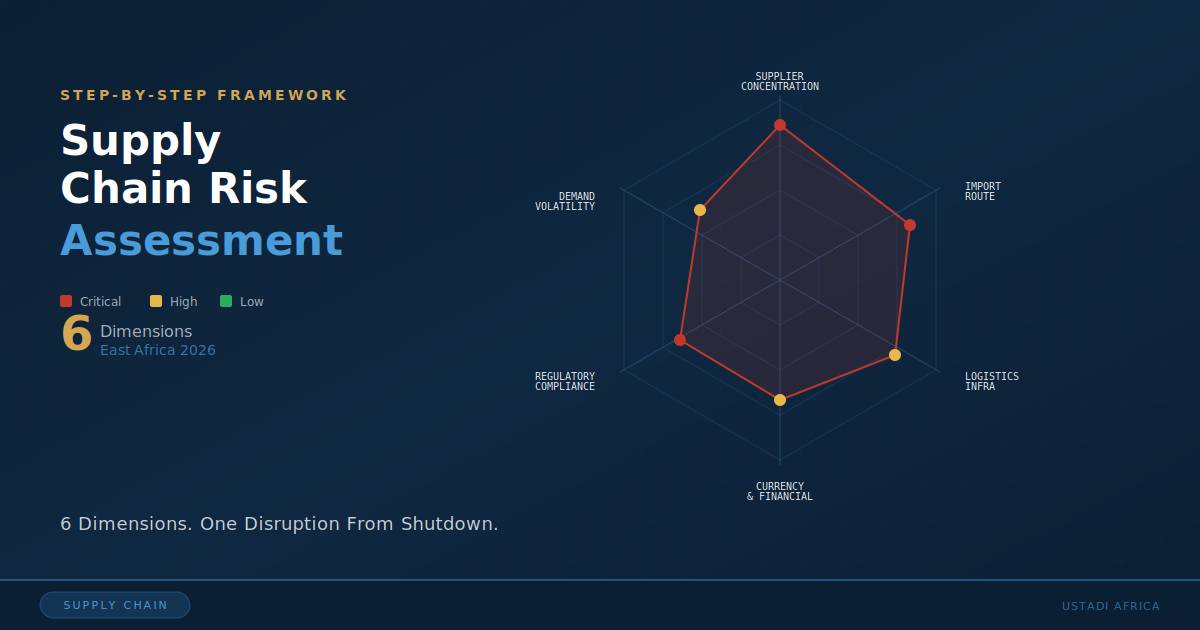
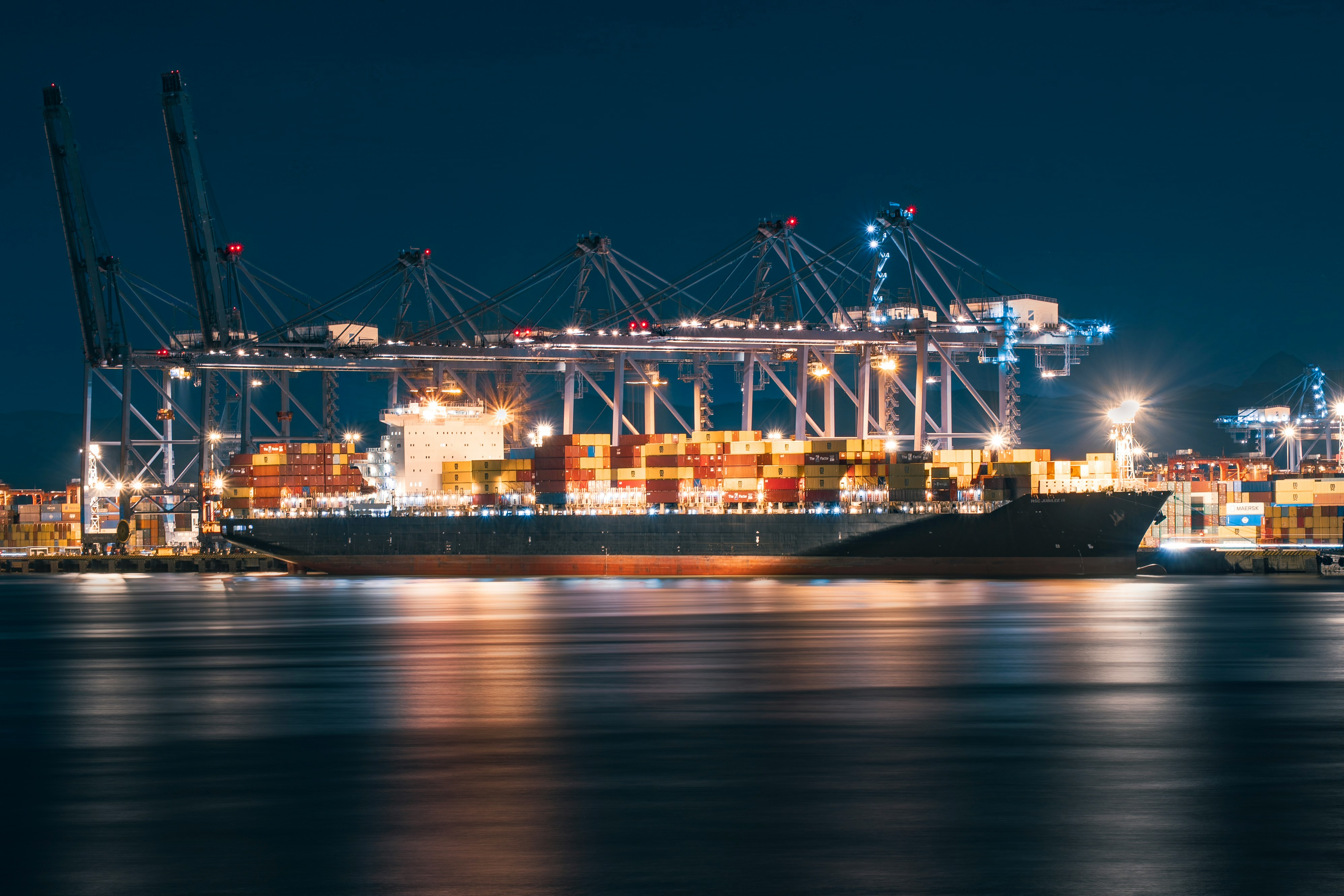
Since late 2023, security threats in the Red Sea have forced commercial shipping to reroute around the Cape of Good Hope rather than transit the Suez Canal. For East African importers, the impact has been severe and sustained. Gulf-origin shipments that previously took 10-14 days via Suez now take 25-35 days via the Cape route. Landed costs have increased by 8-12% on average, with some commodity categories seeing increases above 15%.
This affects a significant portion of East Africa's import basket. Kenya imports substantial volumes of petroleum products, fertilisers, pharmaceuticals, machinery, and consumer goods from Gulf states, India, and East Asia — all routing through or near the Red Sea corridor.
Why This Is Not Temporary
Many organisations initially treated the Red Sea disruption as a short-term crisis. Eighteen months later, it has become the operating environment. Shipping lines have adjusted their route networks. Insurance premiums for Red Sea transit remain elevated. Port congestion patterns at Mombasa have shifted as larger vessel rotations replace the previous direct services. Supply chains designed for 10-14-day lead times from the Gulf now operate on 25-35-day cycles — permanently.
5 Actions for East African Importers
1. Extend Inventory Cover
If your safety stock was calculated for 14-day lead times, it is now structurally insufficient. Recalculate safety stock for 35-day lead times plus variability. This typically means carrying 2-3 weeks of additional inventory for Gulf-origin items. The cost of additional inventory is lower than the cost of stockouts.
2. Diversify Sourcing Geography
Items previously sourced from Gulf or South Asian suppliers may have alternatives in Southern Africa, East Africa, or West Africa that do not transit the Red Sea. Intra-African sourcing under AfCFTA may now be cost-competitive in commodity categories where the landed-cost differential has been compressed by shipping rate increases.
3. Negotiate Shipping Terms
Renegotiate freight terms with shipping lines. Consolidate shipments to achieve better rates. Consider CIF versus FOB terms — in a high-freight environment, controlling the shipping leg may give you more negotiating leverage than leaving it to the supplier.
4. Build Supplier Redundancy
Single-source suppliers in disruption-affected corridors are now critical risk points. For every commodity sourced through the Red Sea corridor, identify at least one alternative supplier on a different trade route. Pre-qualify them now, not when the crisis deepens.
5. Adjust Financial Planning
Budget for 8-12% higher landed costs as a baseline, not a contingency. Factor in additional working capital requirements for higher inventory levels. Review pricing strategies for cost pass-through to customers or negotiate cost-sharing with donors for funded programmes.
Need a supply chain risk assessment for your Red Sea exposure? Contact — we map your import route risk and build contingency plans.