The Paradox of National Availability and Facility Stockouts
Kenya Medical Supplies Authority reports adequate national stock levels for most essential medicines and health commodities. Yet facilities in ASAL counties — Turkana, Marsabit, Garissa, Wajir, Isiolo, Samburu — routinely report stockouts of ARVs, rapid diagnostic kits, essential antibiotics, and vaccines. The commodities exist at the national level. They are simply not reaching the facilities that need them.
This is not a procurement problem. It is a distribution problem. And distribution problems in ASAL counties require fundamentally different solutions from those designed for Nairobi or central Kenya. The infrastructure assumptions built into standard distribution models — paved roads, reliable vehicle access, consistent electricity for the cold chain, cellular connectivity for ordering — do not hold in much of northern and eastern Kenya.
The 5 Root Causes of Last-Mile Failure
1. Demand Forecasting Based on Population, Not Consumption
Most facilities receive allocations based on population catchment estimates. But actual consumption varies dramatically based on disease burden, seasonal migration patterns, cross-border movements, and campaign schedules. A facility serving a nomadic population may need three times the standard allocation during migration seasons and half during others.
2. No Visibility on Facility-Level Stock
County health teams often cannot tell you what is on the shelves of any given facility. Stock cards are incomplete. DHIS2 data is months old. WhatsApp reports from facility in-charges are inconsistent. Without real-time visibility, overstocking at one facility and stockouts at another go undetected.
3. No Redistribution Process
When one facility has excess stock, and another has a stockout, there is typically no formal process for redistribution. Each facility guards its allocation. Expired stock accumulates at overstocked facilities while neighbouring facilities turn patients away.
4. Transport and Infrastructure Constraints
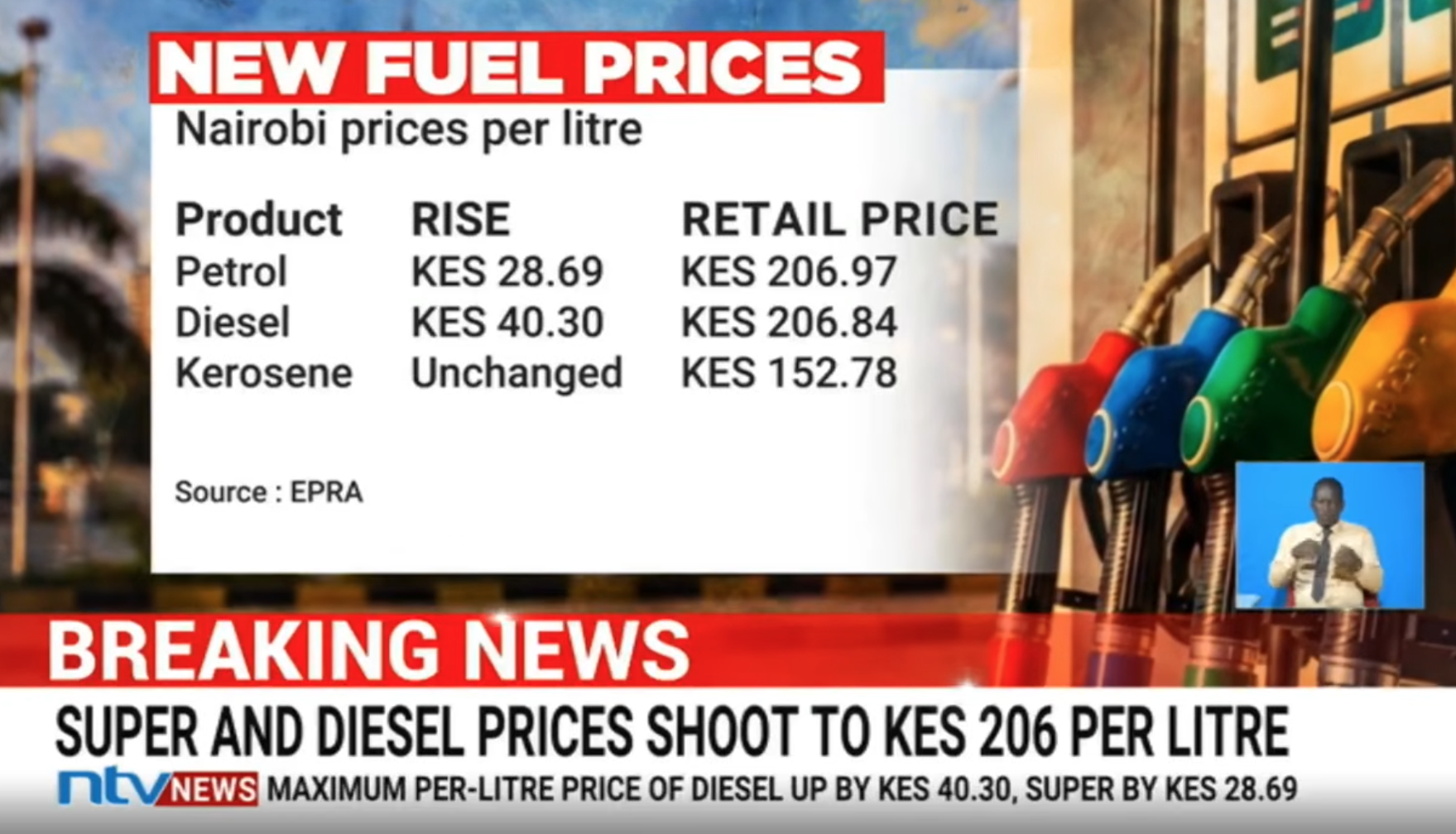
Standard delivery schedules assume vehicle access. In ASAL counties, roads may be impassable during rainy seasons. Facilities may be 6-8 hours from the nearest depot. Fuel costs per delivery can exceed the commodity value. The last mile is not a metaphor — it is a literal geographic challenge.
5. Cold Chain Gaps
Vaccines and some essential medicines require temperature-controlled storage and transport. Facilities with unreliable electricity cannot maintain a cold chain. Solar refrigerators help, but require maintenance that is not consistently available. Temperature excursions during transport in vehicles without cold boxes compromise vaccine potency.
The Distribution Redesign Approach
Fixing last-mile distribution requires working from the facility backwards, not from the warehouse forwards. The redesign follows four steps: (1) Facility-level stock diagnostic — visit every facility, count physical stock, compare against consumption data, and identify true demand patterns. (2) Route optimisation — map delivery routes that are achievable with available vehicles and road conditions, by season. (3) Redistribution protocol — design a formal process for moving excess stock between facilities, with incentives and accountability. (4) Practical tracking system — implement something the facility in charge will actually use, even with limited connectivity.
Results That Are Possible
Across 3 ASAL sub-counties where we implemented this approach, ARV stockout rates dropped from 34% to 6%. The key was not technology or additional funding — it was redesigning the distribution model to match the operational reality of the geography, rather than assuming conditions that do not exist.
Experiencing stockouts despite adequate national supply? Describe the situation HERE — we design distribution solutions specifically for ASAL and hard-to-reach geographies.